
The logs are the soul of your home — and the single biggest driver of its look, performance, and price. Understanding the choices below lets you talk to any builder with confidence and get exactly the home you want.
1. Handcrafted vs. milled
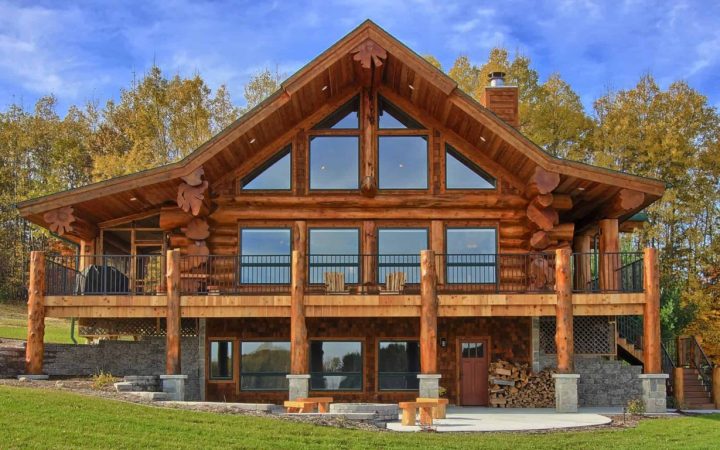
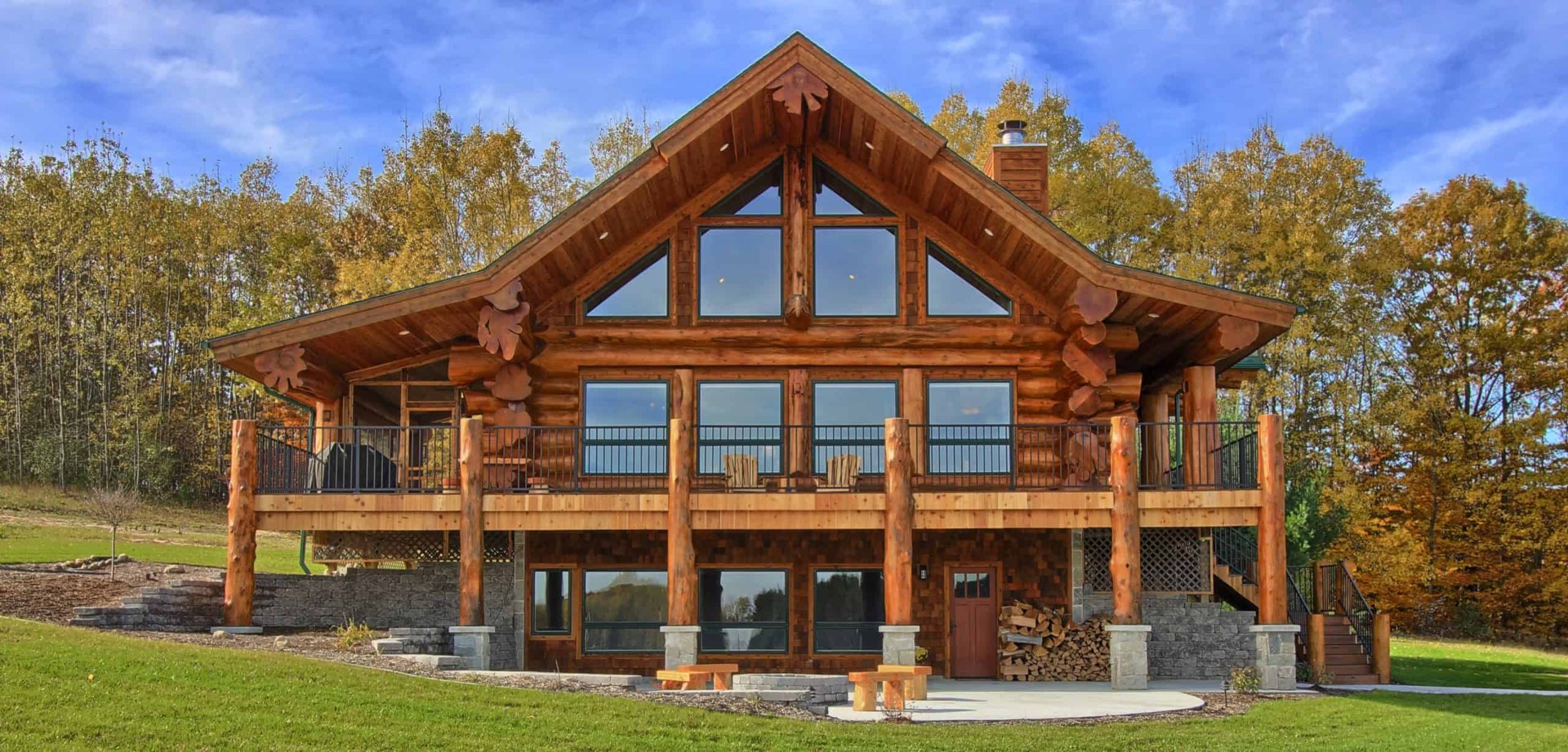
Handcrafted homes use full-length logs that are peeled and individually scribed to fit one another, preserving the natural taper and character of the tree. Each log is unique; the result is dramatic and organic. This is the tradition behind Pioneer Log Homes and HGTV’s Timber Kings.
Milled (machine-profiled) logs are shaped to a uniform size and profile for a consistent look and a system engineered for straightforward assembly. Neither is “better” — they are different crafts. Handcrafted offers unmatched character and mass; milled offers consistency, predictability, and often a lower entry price.
2. Log species — the heart of the decision
- Western Red Cedar — naturally rot- and insect-resistant, dimensionally stable, aromatic, premium. The gold standard for handcrafted homes.
- Douglas Fir — exceptionally strong, straight, and dense; a favorite for very large handcrafted logs and timber framing.
- White / Eastern Pine — widely available and economical, with a bright, classic appearance that takes stain beautifully.
- Spruce & Lodgepole Pine — common, affordable, straight, and well suited to milled systems.
- Cypress & Oak — regional favorites prized for decay resistance (cypress) and hardness (oak).
3. Log profiles & corner styles
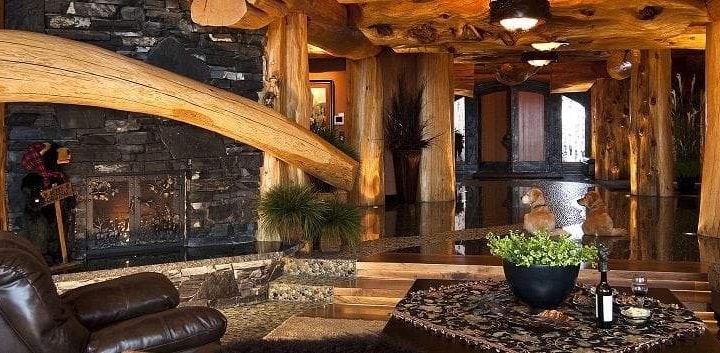
The profile is the cross-section of the log. Round logs read rustic and traditional; D-profiles are round outside with a flat interior wall for easier furniture placement; square and rectangular profiles suit a more contemporary look. Corners — saddle-notch, butt-and-pass, dovetail — are both structural and a signature design element. Decide whether you want logs showing inside, outside, or both.
4. Full-scribe vs. chinked
Full-scribe log walls are hand-fit so logs sit tightly together with no gap — the hallmark of fine handcrafted work. Chinked walls leave an intentional gap filled with a flexible synthetic chinking, giving that classic striped “Lincoln-log” look and accommodating movement. Both are proven; the choice is largely aesthetic.
5. Moisture, grading & quality
Wood moves as it dries. Green logs are worked fresh and settle more as they cure; kiln-dried or standing-dead logs start drier and move less. Reputable builders grade their logs (often via third-party grading) for soundness and consistency. Ask how logs are sourced, dried, and graded.
6. Settling — and how good builders design for it
All log homes move as the wood releases moisture and the walls compress. Quality builders engineer for it with settling jacks (adjustable screw jacks under posts), slip joints at framed walls, and proper detailing above doors and windows so nothing binds as the home settles. How a builder answers “how does your system manage settling?” tells you a great deal about their craft.
7. Energy: R-value & thermal mass
A solid log wall’s steady-state R-value is modest, but logs have significant thermal mass — they absorb, store, and slowly release heat, which in many climates keeps interiors comfortable with less energy than the R-value alone suggests. Pair good logs with a well-insulated roof and tight windows for the best performance.
Questions to ask every builder
- Handcrafted or milled — and why for my project?
- What species do you recommend for my climate and budget?
- Full-scribe or chinked? Which corner style?
- How are your logs dried and graded?
- How does your system handle settling?
- What’s included in the package, and what’s on-site work?
Ready to see these choices in real homes? Browse the floor-plan catalog or connect with a Bureau member builder.